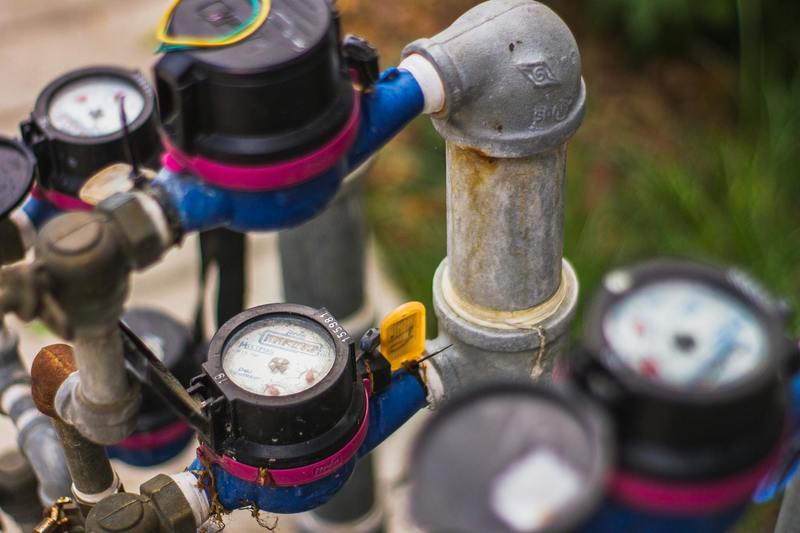
The water supply industry is undergoing a transformation, driven by the need for more efficient and sustainable solutions. Butterfly valves and s, two crucial components in this sector, are playing a pivotal role in this evolution. This article explores the current online information on these two components and their relationship with the industry's hot policy topics, such as energy efficiency and smart infrastructure development. Butterfly valves are an essential part of the water supply system, serving as a control element that regulates the flow of water through pipes and other channels. Their function is crucial in maintaining a balanced water supply system, preventing leaks and ensuring that water is distributed efficiently. The industry is currently witnessing a shift towards the adoption of butterfly valves with improved designs and materials that are more resistant to corrosion and wear. This development is in line with the industry's push for more durable and long-lasting components, reducing maintenance costs and downtime.On the other hand, water pumps are responsible for transporting water from its source to the distribution network. Their efficiency directly impacts the overall energy consumption of the water supply system. As such, the industry is currently focused on adopting more energy-efficient water pumps that use less power while maintaining or even increasing their performance. This trend aligns with the current policy push for renewable energy sources and a reduction in carbon emissions. The integration of smart technology in water pumps is also gaining traction, allowing for remote monitoring and control, enhancing efficiency and reducing operational costs.The integration of these two components is not just about improving their individual performance but also about creating a more robust and resilient water supply system. The use of smart sensors and controls can help detect leaks early on, allowing for prompt repairs before they escalate into larger issues. This proactive approach to maintenance is crucial in ensuring that the water supply system remains reliable and secure, even in times of high demand or natural disasters.However, the industry faces several challenges that must be addressed to achieve its goals. One of the major challenges is corrosion, which can lead to leaks and ultimately affect the integrity of the water supply system. The industry is working on developing materials that are more resistant to corrosion, but these materials are often more expensive than traditional ones. The balance between cost-effectiveness and durability remains a challenge that needs to be addressed through innovative approaches and collaborative efforts.Another challenge is the need for advanced maintenance strategies that go beyond traditional reactive approaches. With the integration of smart technology, it is now possible to adopt predictive maintenance strategies that can anticipate when a component might fail and schedule repairs before it becomes an issue. However, these strategies require significant investments in training and infrastructure, which may not be feasible for all operators.In conclusion, the future of the water supply industry is intertwined with the development of butterfly valves, water pumps, and their integration into smart infrastructure. The adoption of more energy-efficient components and predictive maintenance strategies is crucial in achieving a sustainable and reliable water supply system. This transformation requires collaboration between manufacturers, policymakers, and end-users to foster innovation and share best practices.